24Nov

Discover how modern SEO innovation helps brands outperform competitors, improve visibility, and drive sustained business growth in competitive digital markets.

In a world where customer attention is shrinking and digital competition keeps escalating, SEO innovation has quietly become the differentiator between average growth and market leadership. Today, smart brands aren’t just optimizing—they’re building ecosystems that keep expanding their market share month after month. Modern optimization no longer works with static checklists. Businesses need dynamic strategies, creative thinking, and data-backed execution—especially in competitive urban markets like Navi Mumbai, where partnering with an expert SEO Company in Navi Mumbai has become a practical growth advantage.

Why Innovation Matters More Than Conventional SEO

There’s nothing wrong with traditional SEO—keyword research, meta optimization, site speed improvements, and link building. These still work. But the digital battlefield has changed. Search engines now evaluate far more signals, from search intent and content utility to brand authority and user experience. Google’s updates increasingly reward brands that innovate rather than follow checklists. For instance, the Search Quality Evaluator Guidelines emphasize E-E-A-T—Experience, Expertise, Authoritativeness, and Trustworthiness (Google Developers), signaling that search dominance is now earned through deeper value, not volume.

The New Rules of Competitive SEO Leadership

Brands that consistently outrank competitors do one thing better—they connect search performance to real business metrics: revenue, customer lifetime value, acquisition cost, lead velocity, and market penetration. And they do so through innovation in three big areas.

1. Smarter Use of AI, Data, and Predictive Models

Machine learning isn't just a buzzword. When used responsibly, AI helps businesses predict ranking opportunities before competitors spot them. Predictive SEO tools can analyze rising keywords, shifting click behavior, and emerging gaps in competitor strategies. Forward-facing brands analyze:

  • Topic clusters before they become keywords
  • Search intent shifts after major industry news
  • Competitor content weakness in real time
  • Historical traffic trends to forecast the next 90 days

This approach improves decision-making and helps teams prioritize content that grows rankings faster with fewer resources.

2. Search Experience Optimization (SXO)

One trend that’s growing fast is SXO—combining SEO with UX, UI, conversion science, and behavioral psychology. According to data reported by Forrester (Forrester.com), sites with superior user experience can increase conversions by up to 200%, making UX a not-so-secret revenue driver. Modern brands now optimize elements like:

  • Navigation that feels natural and reduces friction
  • Content that solves problems within the first scroll
  • Lead magnets placed where intent is highest
  • Visual hierarchy that guides users toward CTA actions

SXO doesn’t just attract traffic—it transforms that traffic into customers.

3. Building Multi-Platform Organic Presence

The best brands don’t depend on Google alone. They build discoverability through:

  1. Search engines
  2. Social platforms
  3. Industry communities
  4. YouTube, podcasts, and visual platforms

This ensures that if algorithms change, business growth doesn’t collapse. Many organizations now partner with a Digital Marketing Company India to build cross-channel ecosystems that combine SEO with branding, demand generation, and thought leadership.

What Modern Brands Are Doing Differently

Industry leaders are leaning into four new competitive behaviors:

  • Publishing fewer—but more authoritative—content pieces
  • Deep content refresh cycles to keep pages evergreen
  • Using structured data for rich snippets and higher click-through rates
  • Leveraging topic-level topical authority instead of single keywords

This is the difference between “ranking content” and “content that dominates the market. "Businesses that invest in strategy with an experienced SEO Agency in India experience faster visibility gains, stronger ranking durability, and more measurable ROI.

FAQs

What is SEO innovation?

SEO innovation refers to modern optimization techniques that go beyond keywords—using data, AI, user experience research, and advanced strategies to outperform competitors.

How does innovative SEO improve business revenue?

It drives more qualified traffic, increases conversions, and improves brand discoverability across search and multiple platforms, generating stronger long-term ROI.

Why is SEO more competitive today?

Search engines evaluate more ranking signals than ever—content quality, trust, user experience, intent alignment, and branding—making performance dependent on strategic innovation.

Can small businesses benefit from advanced SEO?

Absolutely. Even small brands can outrank larger competitors by leveraging smarter keyword selection, strong UX, faster execution, and targeted content roadmaps.

Also Read >> Digital PR: Hospital Businesses Get the Highest ROI with this Strategy

Final Thoughts

SEO has evolved beyond ranking techniques—it has become a business growth engine. Brands that lean into innovation, creativity, and strategic execution are the ones that consistently outrank competitors and win bigger market share. 

Blog Development Credits:

This blog came to life through insights conceptualized by Amlan Maiti, researched using advanced AI platforms, and refined with professional optimization support from Digital Piloto PVT Ltd.
17Nov

Boost search rankings faster with AI SEO tools. Learn how automation, machine intelligence, and expert insight accelerate SEO success.

Ever wondered why some brands skyrocket in rankings while others stay buried on page two? The answer is often simpler than it seems — they’re using AI-driven SEO tools that make optimization smarter and faster.

Today, even a growing business in coastal Karnataka can amplify its digital presence by partnering with an expert SEO Company in Mangalore and leveraging AI-powered insights. The secret is no longer just keywords — it’s intelligent automation.

Why AI SEO Tools Are Changing the Game

Traditional SEO feels like assembling a jigsaw puzzle in the dark. AI flips on the light switch. With machine-driven insights, marketers can understand search intent, predict trends, and automate heavy tasks in minutes rather than hours.

According to recent research from the Statista digital economy report, global AI spending is projected to reach trillions within a few years — and a significant portion is tied directly to search optimization. Those jumping in now aren’t just ranking faster — they’re widening the gap.

How AI Makes SEO Faster — and More Accurate

1. Smarter Keyword Intent Prediction

  • AI doesn’t just find keywords — it interprets human behavior behind them.
  • Tools like Clearscope and Surfer analyze top-ranking content and score your page in real time.
  • This reduces trial and error and boosts content relevance for both users and algorithms.

2. Automated Technical Optimization

  • AI bots crawl your site the same way Google does — but with actionable suggestions.
  • They uncover slow scripts, missing tags, and broken schema in seconds.
  • Think of it as having a 24/7 technical SEO assistant.

3. Content Velocity at Scale

Brands no longer publish one blog a week — they publish five, and every one is optimized. AI writing assistants reduce drafting time while maintaining quality when guided by expert editors.

This is why partnering with a trusted SEO Agency in India is becoming standard practice — agencies now combine strategist brains with AI precision to produce consistent results.

Top AI SEO Tools Experts Swear By

  1. Surfer SEO – Real-time content scoring and SERP analysis.
  2. MarketMuse – Deep topical optimization and content briefs.
  3. Frase – AI-powered question & intent mapping for blogs.

Pro Tip: Combine one “writer” tool with one “optimizer” tool. You’ll scale faster without sounding robotic.

Why Rankings Move Faster with Machine Intelligence

Search engines behave like evolving organisms. AI learns these changes faster than any human can. It notices semantic search patterns, voice-driven keyword shifts, and audience micro-intent signals long before traditional tools catch up.That’s why futuristic SEO strategies now emphasize:

  • Predictive optimization – ranking before keywords become trending.
  • Semantic clustering – linking multiple topics around brand authority.
  • Machine-led audits – crawling deeper than standard SEO tools.

Additional related keywords you can naturally use in content like this include AI content optimization, machine learning SEO, and AI keyword research tools.

FAQs on AI SEO Tools

Q1. Can AI replace traditional SEO?

No — AI enhances SEO, but human strategists remain essential for creativity, user understanding, and final decision-making.

Q2. Do AI SEO tools guarantee top rankings?

No tool can “guarantee” rankings. However, AI increases efficiency, accuracy, and adaptability, dramatically improving ranking potential.

Q3. Are AI SEO tools expensive?

Many offer free tiers, while premium plans are cheaper than hiring full-time analysts. Most businesses see measurable ROI in weeks.

Q4. Is AI SEO helpful for small businesses?

Yes — especially for companies without large marketing teams. AI automates research, audits, and content guidance at low cost.

Also Read >> User Satisfaction Rates in Retail: A Guide You Can’t Miss

Final Thoughts

We’ve reached a point where SEO without AI is like sailing without wind. Businesses that adopt machine-powered search optimization now will own the digital horizon later. Whether you’re building authority, scaling content, or fixing crawl errors — AI makes everything faster.

Blog Development Credits:

This article originated from the creative vision of Amlan Maiti and was crafted using modern AI research tools including ChatGPT, Gemini, and Copilot. The final SEO polishing was expertly executed by Digital Piloto PVT Ltd.


29Oct

Discover how Semantic SEO reshapes Google results by focusing on context, meaning, and user intent. Learn how Indian businesses can optimize smarter today.

Ever wondered why two seemingly identical websites rank worlds apart on Google? The answer often lies in something beyond keywords — it’s called Semantic SEO. This powerful evolution in search optimization is what turns good content into great visibility. And yes, even local businesses investing in SEO Services in Jaipur are catching up with this intelligent strategy.

What Exactly Is Semantic SEO?

Semantic SEO goes beyond simply stuffing keywords into your content. It’s about understanding the meaning behind a search query and aligning your content with user intent. In essence, it focuses on context, concepts, and relationships between words rather than just exact matches. Google’s algorithms, such as RankBrain and BERT, use this contextual understanding to deliver more accurate results.For example, if someone searches “best places for chai near me,” Google doesn’t just look for pages containing “chai.” It understands that the user is probably looking for tea cafés or stalls nearby — that’s Semantic SEO at work!

Why Semantic SEO Matters in Today’s Search Landscape

India’s digital ecosystem is expanding rapidly, and so are user expectations. People now search conversationally, often through voice assistants like Google Assistant or Alexa. Semantic SEO bridges the gap between human language and machine understanding, giving your content a competitive edge. Here’s why Semantic SEO is a must-have in your strategy:

  • Improved Search Intent Matching: Helps your content align with what users actually mean, not just what they type.
  • Enhanced Topic Authority: When your content covers a subject comprehensively, Google treats it as a trusted source.
  • Better User Experience: By delivering relevant, well-connected information, you retain readers longer and reduce bounce rates.

How to Optimize Smarter with Semantic SEO

While traditional SEO focuses on keywords, Semantic SEO focuses on understanding. Here’s how you can implement it effectively:

1. Build Topic Clusters Instead of Isolated Posts

Create interconnected content around a central theme. For instance, if your main topic is “Digital Marketing,” your clusters could include subtopics like “SEO,” “Content Strategy,” and “Email Automation.” This signals Google that your site offers deep expertise on the subject.

2. Use Entities and Structured Data

Entities are people, places, or things that Google recognizes as distinct concepts. By marking up your pages with structured data (Schema), you help search engines better understand your content — improving your chances for rich results and featured snippets.

3. Write Naturally — Not Robotically

Search engines are smarter than ever. Overusing keywords can harm readability and ranking. Instead, write conversationally, include synonyms, and focus on providing value. A natural tone increases both engagement and trust.Mid-sized companies leveraging Digital Marketing Services in India have started integrating semantic optimization into their strategies — and the results are impressive. From better rankings to improved brand recall, context-driven SEO delivers measurable growth.

Tools and Techniques to Get Started

Here are some practical tools and methods Indian marketers can use:

  1. Google’s NLP API: Helps analyze how Google interprets your content’s language and entities.
  2. AnswerThePublic: Generates question-based queries that reflect real user intent.
  3. Surfer SEO or Clearscope: Compare your topic coverage with top-ranking pages and optimize accordingly.

Pairing these with strategies from the Best SEO Company in India can help elevate your digital presence to new heights.

Real-World Example: Context Over Keywords

Consider two websites targeting the phrase “affordable mobile phones.” One simply repeats the keyword throughout its content. The other discusses smartphone brands, specifications, reviews, and buying tips. The latter wins because it provides comprehensive, contextual information — exactly what users (and Google) prefer.

FAQs on Semantic SEO

What makes Semantic SEO different from traditional SEO?

Traditional SEO focuses on keywords, while Semantic SEO focuses on meaning and intent. It’s about understanding what users truly seek, not just the words they use.

Can small businesses in India benefit from Semantic SEO?

Absolutely. Even local businesses can use Semantic SEO to rank better in voice and mobile searches by creating relevant, conversational, and structured content.

Does Semantic SEO replace keyword optimization?

No, it complements it. Keywords remain vital, but they must be supported by context-rich, topic-oriented writing for long-term success.

How long does it take to see results with Semantic SEO?

Typically, results appear within 3–6 months as Google starts recognizing contextual relevance and topic authority across your site.

Also Read >> Top 14 Tips : How can E-Commerce Grows with Digital Marketing?

Final Thoughts

Semantic SEO isn’t just a buzzword — it’s the next leap in intelligent optimization. For Indian businesses aiming to stand out in competitive digital spaces, understanding user intent and building contextual depth is the real key to success. Start optimizing smarter, not harder, and let meaning lead your rankings.

Blog Development Credits:

This blog was conceptualized by Amlan Maiti, researched and written with AI tools such as ChatGPT, Google Gemini, and Copilot, and finely optimized by Digital Piloto PVT Ltd.

16Oct

Discover how machine learning is transforming email marketing through personalization, automation, and predictive insights for smarter customer engagement.

Ever wondered why some emails feel like they were written just for you? That’s not luck—it’s machine learning (ML) at work. As personalization becomes the heartbeat of modern campaigns, ML is redefining how businesses communicate, predict preferences, and build customer loyalty. Even the most experienced Digital Marketing Services in Patna are turning to machine learning to power smarter, data-driven email strategies.

Why Email Marketing Still Reigns Supreme

Email marketing remains one of the most cost-effective channels, delivering an ROI of around 36:1, according to a Statista report. But here’s the twist—while open rates and click-throughs matter, the future lies in predicting why a user engages. That’s exactly where ML steps in. By analysing historical data, engagement times, and even micro-behaviours, machine learning helps brands send the right message to the right person at the perfect moment.

How Machine Learning Transforms Email Marketing

Machine learning doesn’t just automate; it learns, adapts, and evolves. Here’s how it’s reshaping the email marketing ecosystem:

1. Smarter Personalization

Gone are the days of “Hey [First Name]” being enough. Machine learning dives deeper—understanding what products customers browse, how they respond to tone, and even the subject lines that spark curiosity. Over time, it fine-tunes campaigns that feel human, not robotic.

2. Predictive Engagement

Ever noticed how Netflix seems to know what you’ll binge next? The same logic applies to email marketing. Predictive analytics powered by ML anticipates user actions—whether they’ll open an email, click a link, or unsubscribe—and adjusts strategies before campaigns go live.

3. Dynamic Content and A/B Testing

With ML, A/B testing no longer feels like guesswork. Algorithms analyse which layouts, visuals, and CTAs resonate best with each audience segment. Imagine an email that redesigns itself in real-time based on user engagement history—that’s the ML advantage.

Key Benefits of Using Machine Learning in Email Campaigns

  • Hyper-targeted campaigns: Segment audiences based on behaviour, not just demographics.
  • Higher deliverability rates: ML filters out inactive users and optimizes send times.
  • Enhanced user experience: Personalized product recommendations and content flows.
  • Real-time optimization: Instant feedback loops refine campaign strategy as data evolves.

The Role of Automation and AI Integration

Today’s marketing automation tools integrate machine learning to handle repetitive tasks while providing real-time insights. Platforms like HubSpot and Salesforce have built-in AI features that analyse engagement metrics automatically. For example, they can suggest the best time of day to email specific audience clusters or auto-generate content recommendations based on prior performance data.For growing brands working with an Indian SEO Company, incorporating ML into email strategy isn’t just smart—it’s essential. SEO and email marketing are now intertwined, with ML bridging both worlds through behaviour-based targeting and predictive analytics.

Real-World Applications of ML in Email Marketing

Let’s look at how forward-thinking marketers are already using machine learning in practice:

  1. Behavioural Triggers: E-commerce stores send follow-up emails automatically when a user abandons their cart, using ML to determine the best timing for re-engagement.
  2. Churn Prediction: SaaS businesses use ML models to identify at-risk customers and send retention-driven offers proactively.
  3. Sentiment Analysis: By analysing tone and language in responses, ML tools gauge user sentiment and tailor follow-ups accordingly.

Challenges and Ethical Considerations

While the potential is massive, ML-driven email marketing comes with caveats. Data privacy and user consent remain top priorities under regulations like GDPR. Ethical marketers should prioritize transparency—letting users know when their data is being analysed and how it benefits them.

FAQs

1. How does machine learning improve email open rates?

By analysing user behaviour, ML predicts when and what type of content users are most likely to engage with, ensuring higher open rates over time.

2. Can small businesses use ML for email marketing?

Absolutely! Many affordable tools like Mailchimp and Brevo now include built-in ML-powered personalization and automation features accessible to small teams.

3. What’s the difference between AI and ML in marketing?

AI is the broader technology; ML is a subset focused on learning from data. In marketing, ML powers features like recommendations, timing optimization, and predictive analytics.

4. Does ML eliminate the need for human marketers?

Not at all. ML enhances creativity—it handles data-heavy tasks so marketers can focus on crafting emotionally engaging messages and strategy.

Also Read >> Digital Marketing Trends in Manufacturing

Final Thoughts

The future of email marketing won’t be about more emails—it’ll be about smarter ones. As ML continues to evolve, brands that embrace predictive intelligence and ethical personalization will not only reach inboxes but also win hearts. It’s not automation replacing creativity—it’s technology empowering it.

Blog Development Credits:

This blog was envisioned by Amlan Maiti, developed with insights from tools like ChatGPT, Google Gemini, and Copilot, and fine-tuned for SEO by Digital Piloto PVT Ltd.

Improves Search Engine Rankings

Google prioritizes valuable and relevant content when ranking websites. High-quality blogs, articles, and landing pages optimized with SEO services in India help businesses rank higher on search engine results pages (SERPs). By consistently publishing well-optimized content, brands increase their chances of appearing at the top of search results, attracting more organic traffic.

Boosts Organic Traffic

A well-crafted content marketing strategy ensures that businesses attract visitors naturally without relying solely on paid ads. By incorporating SEO-friendly keywords, such as those used by a PPC agency in Kolkata, businesses can optimize their content to drive organic traffic. The more relevant content a brand produces, the more visibility it gains in search engines.

Establishes Brand Authority and Credibility

Indian brands competing in the digital landscape need to establish credibility. Informative blog posts, industry insights, and expert guides build trust among audiences. A digital marketing company in Siliguri can help businesses create authoritative content that positions them as leaders in their industry, gaining customer trust and loyalty.

Enhances Engagement and User Experience

Content marketing is not just about ranking higher on Google—it’s also about engaging users. Interactive content such as videos, infographics, and FAQs keeps visitors on a website longer, reducing bounce rates. An SEO services provider in India ensures that content is engaging, well-structured, and optimized for better user experience, ultimately leading to higher conversion rates.

Supports Link Building Strategies

Backlinks from authoritative sites significantly impact SEO rankings. High-quality, shareable content encourages other websites to link back to your pages, boosting domain authority. A PPC agency in Kolkata can integrate paid campaigns with content marketing efforts to gain visibility and encourage reputable sites to share branded content.

Optimizes Local and Voice Search

With the rise of voice search, brands need to optimize their content for conversational queries. Localized content strategies help businesses rank for region-specific searches, such as "best digital marketing company in Siliguri." Content marketing ensures businesses are visible in local SEO results, making it easier for potential customers to find them.

Increases Conversion Rates

Informative and persuasive content guides potential customers through the buying journey. Case studies, testimonials, and product descriptions enhance trust and encourage conversions. An SEO services provider in India crafts content that not only attracts visitors but also converts them into paying customers, leading to increased sales and revenue.

Conclusion

Content marketing is a game-changer for Indian brands looking to dominate search engine rankings and grow their online presence. From SEO services in India to PPC agency strategies in Kolkata, businesses must invest in high-quality content to stay ahead.At Digital Piloto Pvt. Ltd., we specialize in content-driven SEO strategies that help brands achieve sustainable growth. Whether you need assistance with content creation, SEO, or paid advertising, our expert team is here to help. Contact us today to boost your digital success!

For Audio Version: Click Here

For Video Version: Click Here

For Direction: Click Here

As the holiday season approaches, it's essential for cannabis businesses to ramp up their public relations (PR) and search engine optimization (SEO) strategies.

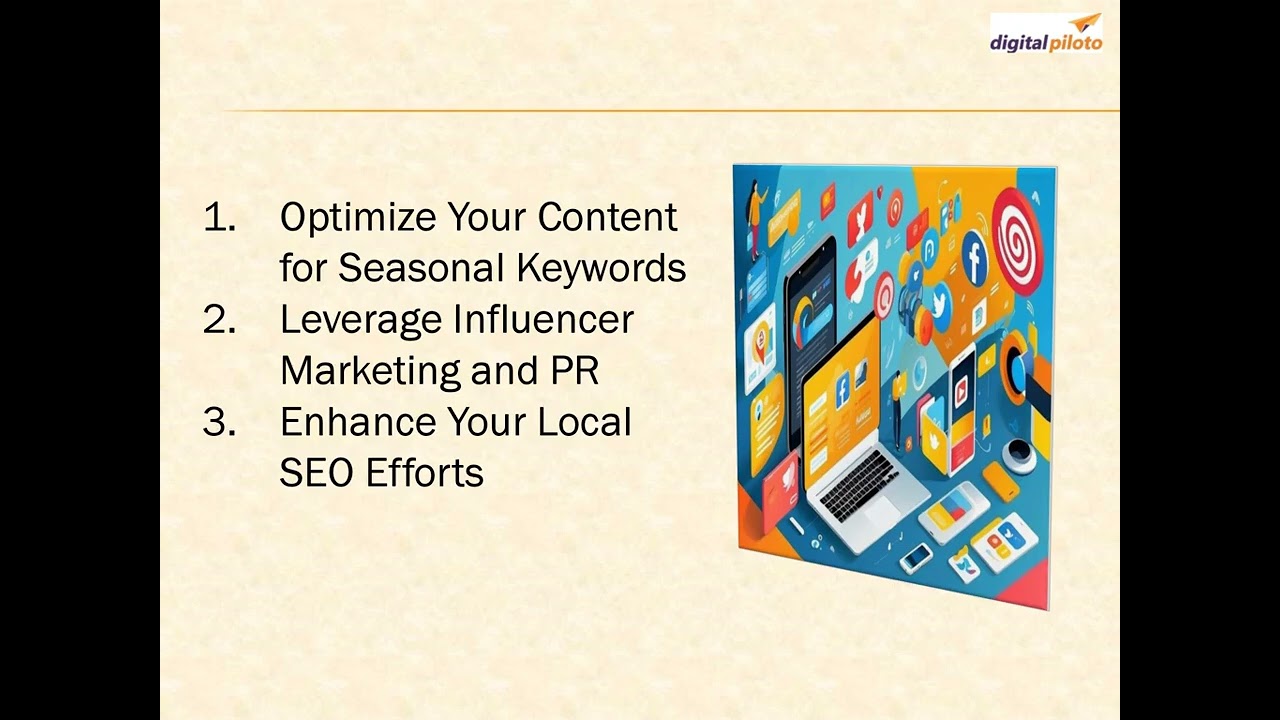
Optimize Your Content for Seasonal Keywords

The holiday season brings a surge in specific search terms. By integrating seasonal keywords into your content, you can capture the increased traffic. Start by researching keywords related to your cannabis products and the holiday season. For instance, terms like "holiday cannabis gifts," "Christmas cannabis deals," and "New Year cannabis specials" can drive traffic.

Collaborate with the best digital marketing company near Kolkata to ensure your content is not only keyword-rich but also engaging and informative. This will enhance your visibility on search engines and attract more potential customers.

Leverage Influencer Marketing and PR

Influencers can play a significant role in boosting your cannabis brand during the holiday season. Identify influencers within the cannabis community who align with your brand values. Collaborate with them to create authentic and relatable content that highlights your holiday offers and products.

Additionally, utilize PR strategies to get featured in cannabis-related publications and blogs. Working with an SEO company in Dubai can help you build relationships with relevant media outlets and ensure your brand gets the coverage it deserves. Press releases, guest posts, and interviews are excellent ways to increase your brand's reach and credibility.

Enhance Your Local SEO Efforts

Local SEO company is crucial for cannabis businesses, especially during the holiday season when consumers are looking for convenient shopping options. Ensure your business is listed on Google My Business and other local directories. Optimize your listings with holiday-specific information, such as special hours, holiday promotions, and events.

Partnering with a company specializing in SEO services in India can help you fine-tune your local SEO strategy. They can assist in creating localized content, managing online reviews, and optimizing your website for local search queries. This approach ensures your cannabis business appears in local searches, driving more foot traffic to your store.

Conclusion

Preparing your cannabis PR and SEO strategies for the holiday season requires a well-rounded approach. By optimizing your content for seasonal keywords, leveraging influencer marketing and PR, and enhancing your local SEO efforts, you can ensure your cannabis business stands out during the busiest shopping season of the year. Partnering with the best digital marketing company near Kolkata an SEO company in Dubai or utilizing SEO services in India can provide the expertise needed to elevate your holiday marketing campaigns.

For Audio Version: Click Here

For Direction: Click Here

I BUILT MY SITE FOR FREE USING